To build a habit of working out, start small with an activity you enjoy and show up regularly, even for short sessions. Build up your activity level slowly toward steady moderate movement and weekly strength sessions. Fitting extra movement into your daily routine and tracking your progress can help you stay consistent.
How do you start working out when you are out of practice?
Getting active can feel difficult if you do not see yourself as sporty or have not exercised for a while. Exercise is simply anything that gets your body moving, and any amount of activity is good for you, so do not worry about starting off easy.
Focus first on picking an activity you enjoy, since you are much more likely to keep doing something you like. You can try a beginner exercise plan or search for an online workout program to follow at your own pace.
Even if you are returning to an activity you once did well, begin little by little. Showing up regularly for short sessions helps your body adapt, while building up slowly lets you get stronger, faster, or more flexible with a lower chance of injury or burnout.
How much exercise should you aim for each week?
Every bit of movement matters, and while some activity is good, more is better as your routine grows. Adults should aim for regular moderate activity throughout the week, including sessions focused on muscle-strengthening activities.
A few main types of exercise include:
- Aerobic exercise, or cardio, includes walking, running, or swimming to raise your breathing and heart rate and keep your heart, lungs, and circulatory system healthy.
- Strength or resistance training uses weights, resistance bands, online pilates or strength videos, or carrying heavy grocery bags to keep muscles, joints, and bones strong. Make sure any weight you use feels right for you.
Regular activity releases feel-good hormones that boost your mood, energy, self-esteem, focus, and sleep while easing stress, anxiety, anger, frustration, and sadness. Over time, it also lowers the risk of heart disease, stroke, type 2 diabetes, dementia, arthritis and musculoskeletal conditions, some respiratory diseases like asthma, and some cancers.
How can you fit more movement into your daily routine?
You do not need a gym session every day to build an active habit. Start small by fitting extra movement into your daily life:
- Stand rather than sit on bus or train rides, or get off a stop or two early and walk the rest of the way.
- Park at the far end of the parking lot when you drive somewhere.
- Take the stairs instead of the elevator or walk up escalators when you can.
- Turn a school drive into a walk or bike ride on days that suit you.
Getting outside in the fresh air for daily movement can also help ease stress, anxiety, and low mood.
What helps you stick with a workout habit long term?
Once you start moving regularly, a few practical steps can help you stay consistent. For general routine strategies, you can also read our guide on how to build a habit.
Track your progress on paper, online, or in an app by noting the activity you did, how long it lasted, and how you felt. Seeing your effort over time helps you overcome setbacks and set new goals, and setting a daily target for steps, distance, or active minutes gives you a clear focus.
As your fitness improves, challenge yourself by adding a few minutes to your walk, increasing your pace, or lifting slightly heavier weights. Mixing up your workouts keeps things interesting and helps prevent injury or burnout. You can also exercise with family or friends and try friendly step or distance challenges to stay motivated and reduce loneliness.
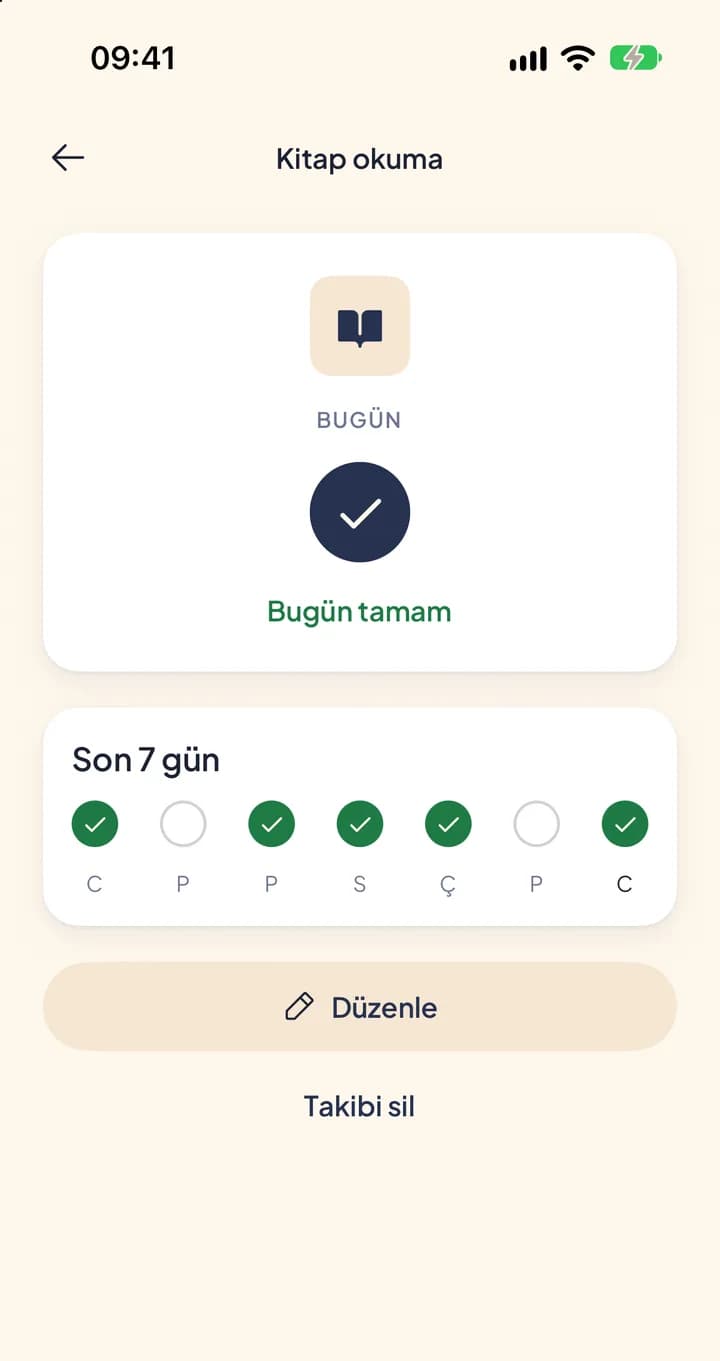
Habit tracker
Name your own habit or daily count, pick an icon and see your week.
 Coming soonAndroid
 Scan with your phone camera to open the App Store.
When to see a doctor
Before starting a new exercise routine, talk with your health care provider if you have trouble moving or balancing, worry that exercise might not be safe for you, or have an injury or health condition such as diabetes or heart disease. Take it easy at first and stop exercising right away if you notice any of these warning signs:
- Feeling out of breath
- Feeling dizzy or faint
- Feeling nauseated
- Chest pain
- Any other type of pain
If you have chest pain, feel faint, or have symptoms that do not ease when you stop, call your local emergency number for urgent medical help.
Habits
Name your own habit or daily count, pick an icon and see your week.
Your journal, mood, cycle and tracker records, including saved step counts, are stored on your device. When account backup is available and you are signed in, the app also sends an encrypted copy to our servers to restore and merge your records.
Frequently asked questions
Does walking count as working out?
Yes. Exercise is anything that gets your body moving, and walking is an aerobic activity that raises your breathing and heart rate to support your heart and lungs. Even short walks from parking further away or getting off the bus early add up.
Do you need sports drinks when you exercise?
No. Water is a good choice to stay hydrated during moderate activity, whereas sports beverages can add sugar and extra calories that you do not need during moderate workouts.
Sources
- Be active for your mental health - Every Mind Matters - NHS
- How to be more active - Better Health - NHS
- Exercise and Physical Fitness: MedlinePlus
- Tips to Keep Moving - NIDDK
Habit tracker
Name your own habit or daily count, pick an icon and see your week.
Coming soonAndroidScan with your phone camera to open the App Store.