Drinking water is good for you because water makes up more than two-thirds of your body weight, and every cell and organ needs it to function. Getting enough water each day regulates your body temperature, lubricates and cushions your joints, protects your spinal cord and sensitive tissues, moves waste out of your body, and prevents dehydration without adding any calories to your diet.
Why is drinking water important for your body?
Water is a combination of hydrogen and oxygen that forms the basis for your body's fluids. It makes up a substantial part of the weight of the human body, and without consuming water, a person cannot survive for long. All of your cells and organs need water to work normally.
Getting enough water every day supports several essential jobs inside your body:
- Temperature control: Water keeps your body at a normal temperature through perspiration.
- Joint and tissue protection: Water serves as a lubricant, makes up saliva and the fluids surrounding your joints to cushion them, and protects your spinal cord and other sensitive tissues.
- Digestion and waste removal: Water helps your body get rid of waste through urination, perspiration, and bowel movements, and it helps prevent and relieve constipation by moving food through your intestines.
How does drinking water prevent dehydration and cut extra calories?
When you do not get enough water each day, your body fluids fall out of balance and cause dehydration, which means your body loses more fluids than you take in. Drinking enough water prevents dehydration, which may otherwise cause unclear thinking, mood changes, overheating, constipation, and kidney stones. You can learn more about what to look for in our guide to low water intake symptoms.
Plain water is also a healthy, low-cost choice because it contains no calories. Sugary drinks such as regular sodas, fruit drinks, sports drinks, energy drinks, sweetened waters, and sweetened coffee and tea contain calories but little nutritional value. For children, drinking a lot of sugary drinks increases the risk of becoming overweight, and the added sugar can damage teeth. Choosing plain water instead of sweetened beverages helps reduce your calorie intake while keeping you hydrated.
How much water do you need a day, and why?
There is no single recommendation for how much plain water alone you should drink, because your individual needs depend on your age, sex, weight, activity level, pregnancy or breastfeeding status, and any medical conditions you may have. In the United States, Dietary Reference Intake guidance accounts for total daily water from both food and beverages for adults, rather than plain water alone. In the United Kingdom, the Eatwell Guide encourages drinking regular cups or glasses of fluid throughout the day, and a healthcare provider can help you find an amount that fits your needs.
Drinking fluids when you feel thirsty and having a beverage with meals is a practical way to stay hydrated. Because your sense of thirst may change as you get older, it is important to take in fluids throughout the day and aim to drink enough so your pee is a clear pale yellow color.
Your body needs more water whenever it uses or loses extra fluid, including when you are in a hot climate or environment, physically active and sweating, pregnant or breastfeeding, running a fever, or having vomiting or diarrhea.
Which drinks and foods count toward your daily water intake?
Daily water intake comes from water and other beverages, along with fluids from the foods you eat, especially fruits and vegetables with high water content, as well as water produced during metabolism.
Liquid foods and low-calorie beverages such as soup, plain coffee or tea, sparkling water, seltzers, flavored waters, and lower-fat milk or unsweetened fortified milk alternatives all count toward your daily fluid intake. Drink caffeine in moderation, as sensitivity varies from person to person, and limit pure fruit juice or smoothies to a small serving with a meal because they are high in sugar. Alcohol does not add to your body's water because it causes your body to release water. If you do not like the taste of plain water, try sparkling water or add a slice of lemon or lime.
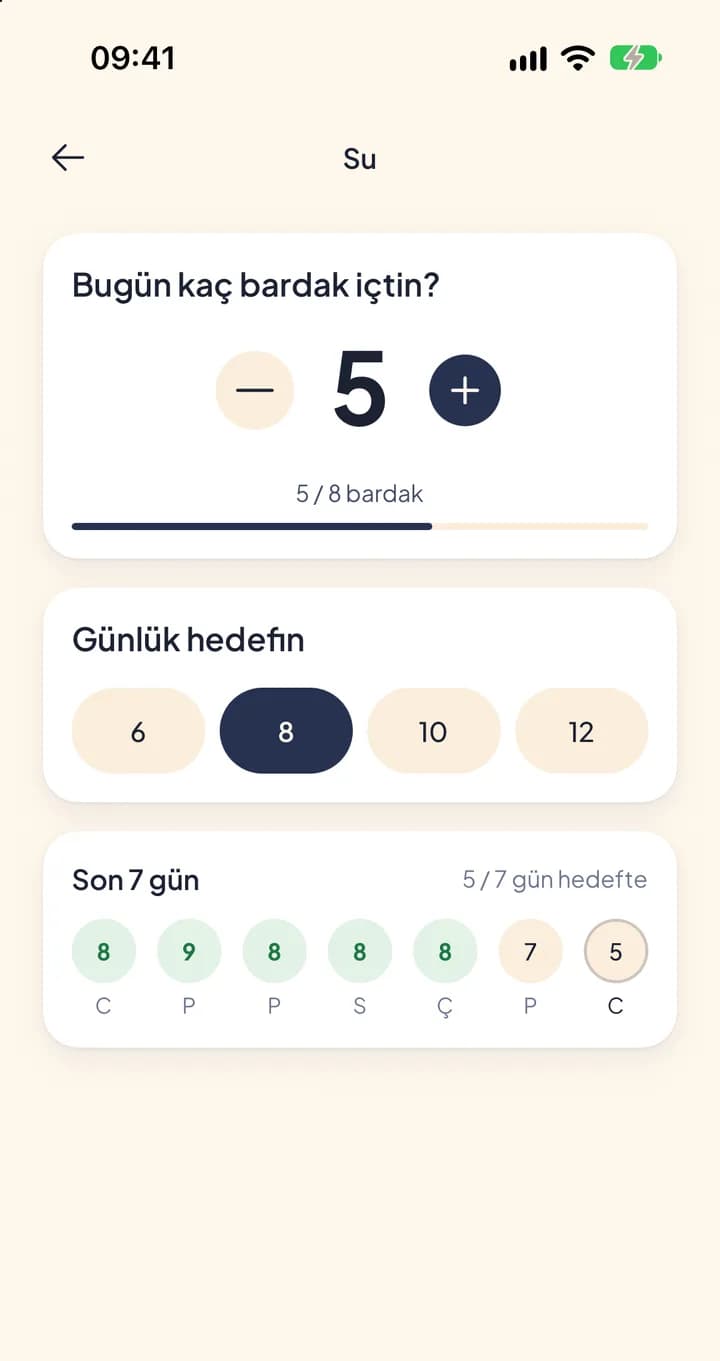
Water tracker
Count glasses through the day against a goal you pick.
 Coming soonAndroid
 Scan with your phone camera to open the App Store.
When to see a doctor
If you are concerned that you may not be consuming enough water, have a conversation with your health care provider. Untreated or severe dehydration can be life-threatening, and babies, children, and older adults are more at risk, so seek urgent medical care if you notice any of these warning signs:
- Feeling unusually tired, or a baby or child who seems drowsy or irritable
- Feeling dizzy or light-headed when you stand up that does not go away
- Dark yellow, strong-smelling pee, or peeing less than normal (or fewer wet diapers than normal in a baby)
- Breathing quickly or having a fast heart rate
- Sunken eyes, or a soft spot on top of a baby's head that sinks inward (sunken fontanelle)
- Few or no tears when a baby or child cries
If you or someone in your care has signs of serious dehydration, contact a doctor right away or call your local emergency number for urgent help.
Hydration
Count glasses through the day against a goal you pick.
Your journal, mood, cycle and tracker records, including saved step counts, are stored on your device. When account backup is available and you are signed in, the app also sends an encrypted copy to our servers to restore and merge your records.
Frequently asked questions
Can drinking water help with constipation?
Yes. Water helps your body get rid of waste through bowel movements, and getting enough water helps prevent and relieve constipation by moving food through your intestines.
How can you tell if you are drinking enough water during the day?
A simple everyday check is to drink enough fluids during the day so that your pee is a clear pale yellow color.
Sources
- About Water and Healthier Drinks | Healthy Weight and Growth | CDC
- Water, drinks and hydration - NHS
- Water in diet: MedlinePlus Medical Encyclopedia
- Dehydration - NHS
Water tracker
Count glasses through the day against a goal you pick.
Coming soonAndroidScan with your phone camera to open the App Store.